Heat Safety | City of Kyle

Emergency Management

Receive local emergency alerts sent directly to your phone or email.

Heat Safety

Texas can get very hot during the summers, and it's important to keep yourself and your family prepared for the heat! Staying safe during extreme heat conditions is about more than just staying hydrated; it's also about recognizing the signs of heat exhaustion and heatstroke and how to administer first aid for people suffering from them and keeping our loved ones safe during the sweltering Texas summer.


Heat Advisory, Extreme Heat Watch, and Extreme Heat Advisory

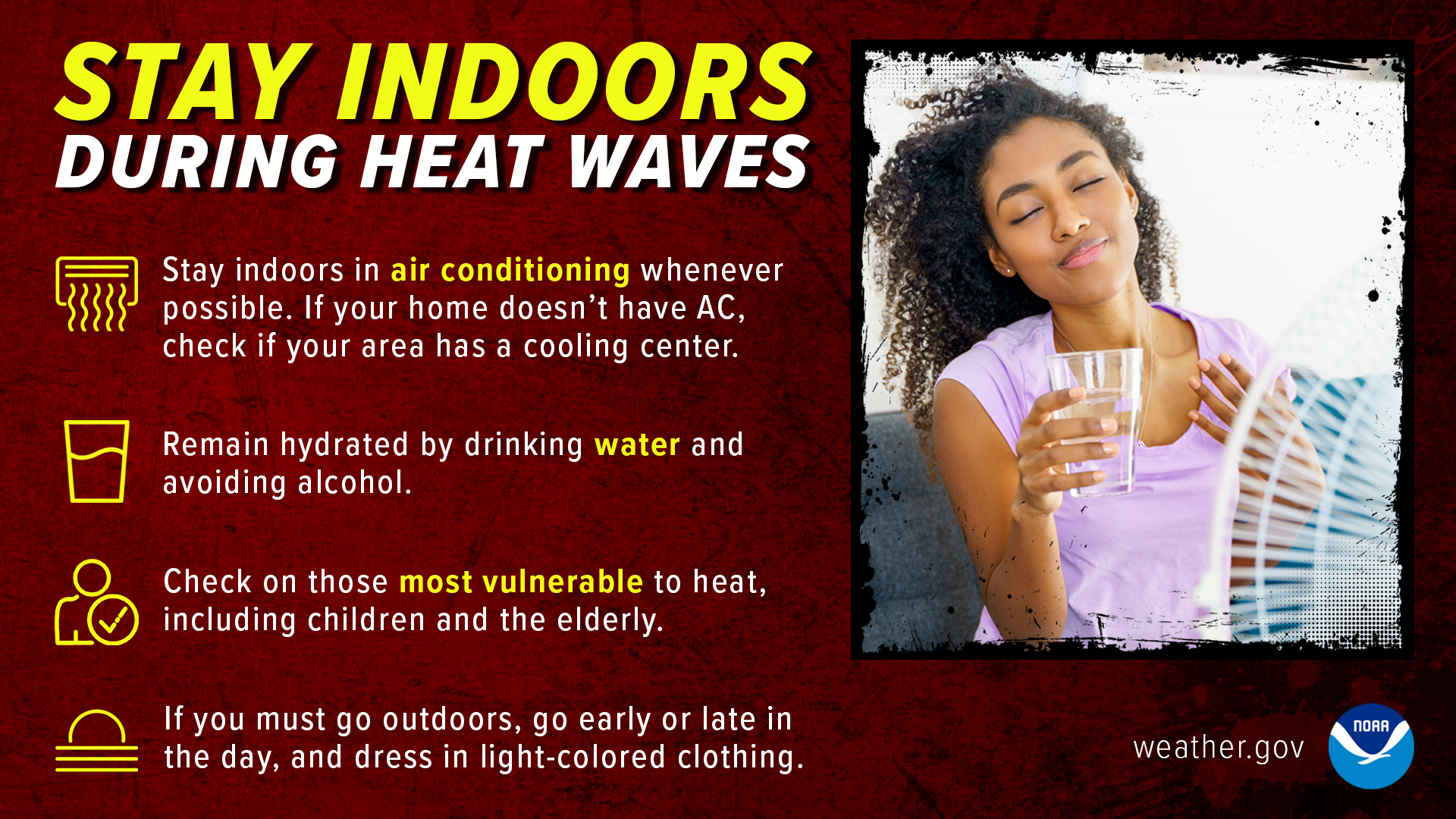
  • Heat Advisory: issued when conditions may not get to extreme temperatures, but can still be dangerous to people with heat sensitivities, young children, or older adults. Be sure to stay hydrated and consider staying indoors during the hotter parts of the day.

  • Extreme Heat Watch: conditions are favorable for extreme heat in the near future. Be prepared to delay or cancel outdoor activities if a warning is issued. Stay hydrated and plan to stay in the air-conditioning if a warning is issued. Locate cooling shelters or an air-conditioned location in case of a extreme heat warning.

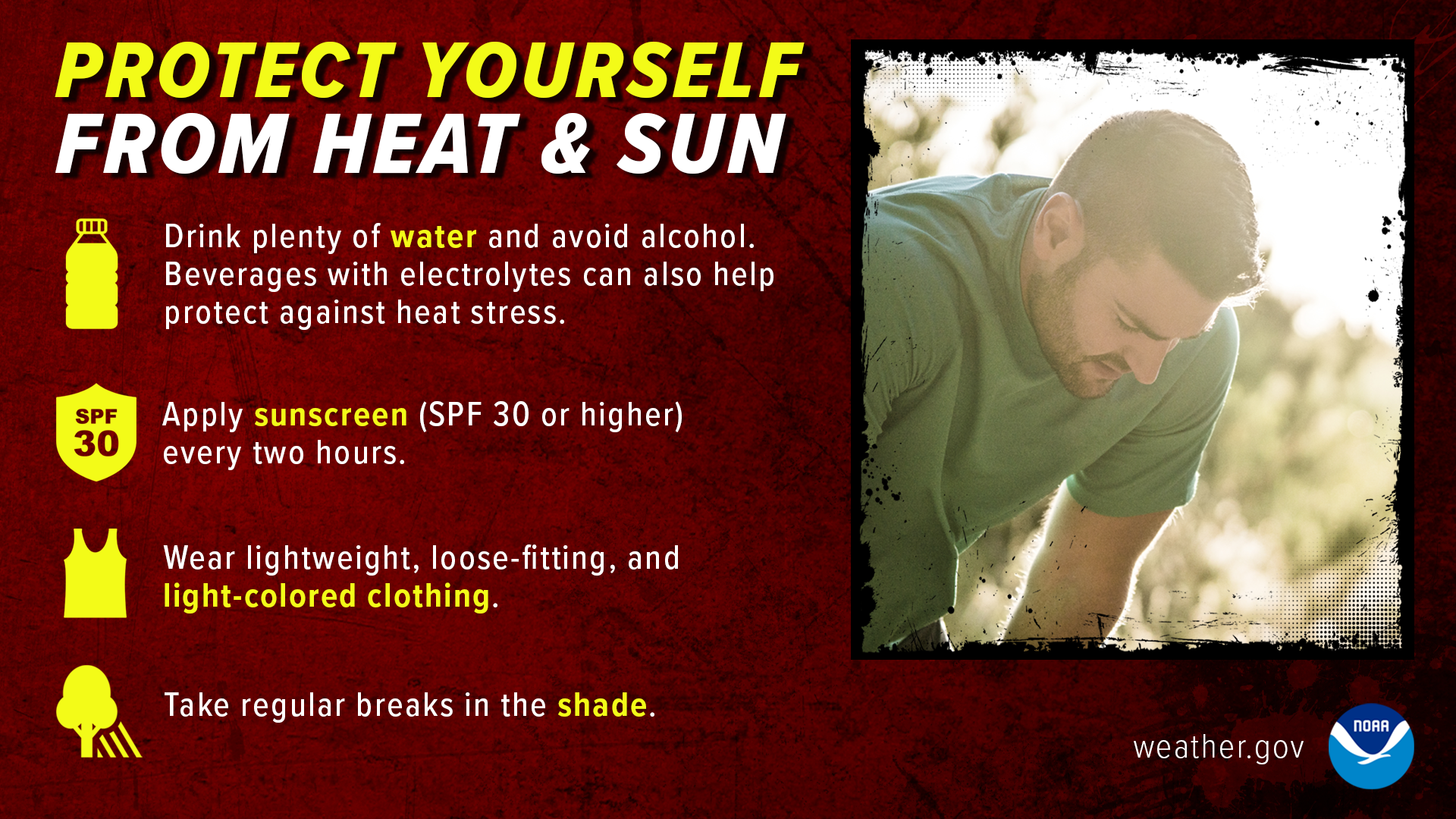
  • Extreme Heat Warning: current heat levels are dangerous. Stay in the air-conditioning or move to a cooling shelter if you don't have air-conditioning. If you must be outside, drink plenty of water and take frequent breaks in the shade. Check on your neighbors and family to ensure they are staying cool and safe.


Recognizing Heat Exhaustion and Heat Stroke

Signs, Symptoms, and First-Aid

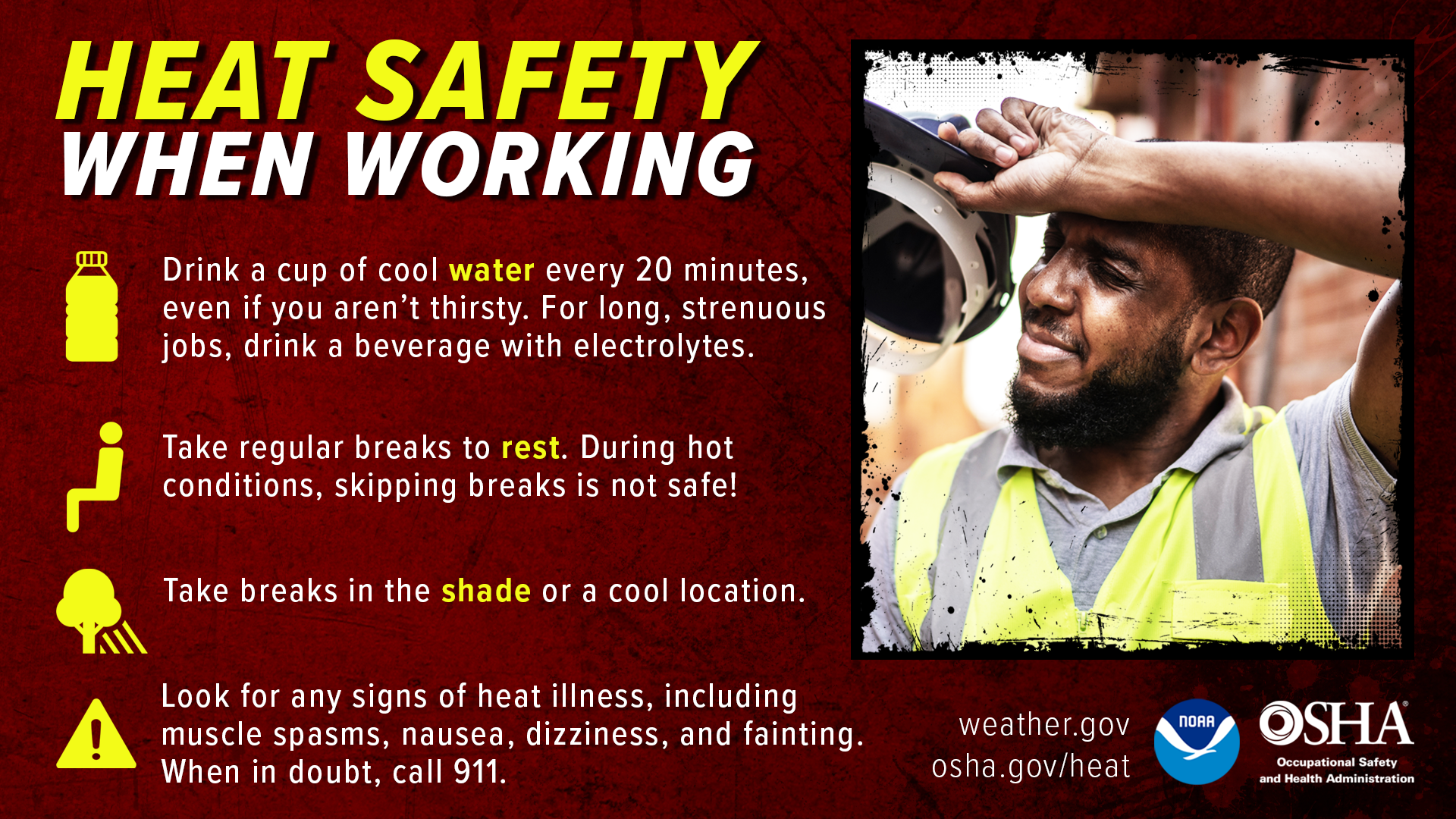
Heat-related illnesses are common in Texas, and it's important to recognize the signs of someone who may be experiencing a medical emergency. With the high temperatures and high humidity we experience, our bodies can have a hard time regulating temperature, and can rapidly heat up. Making sure you're properly hydrated with water and electrolytes is important in the heat of a Texas summer. Small children, older adults, and overweight people are more susceptible to heat-related illnesses.


Hot Car Dangers

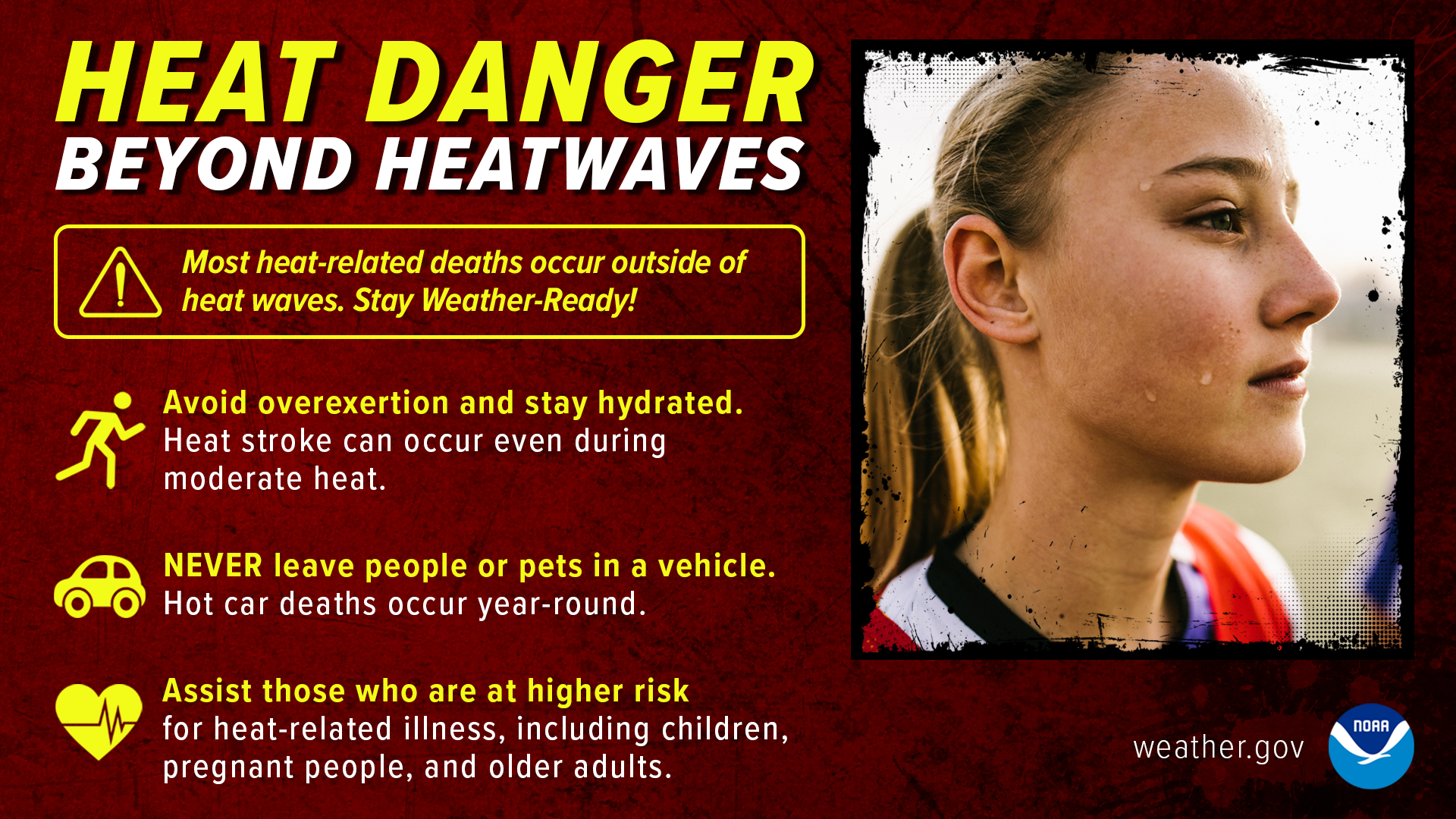
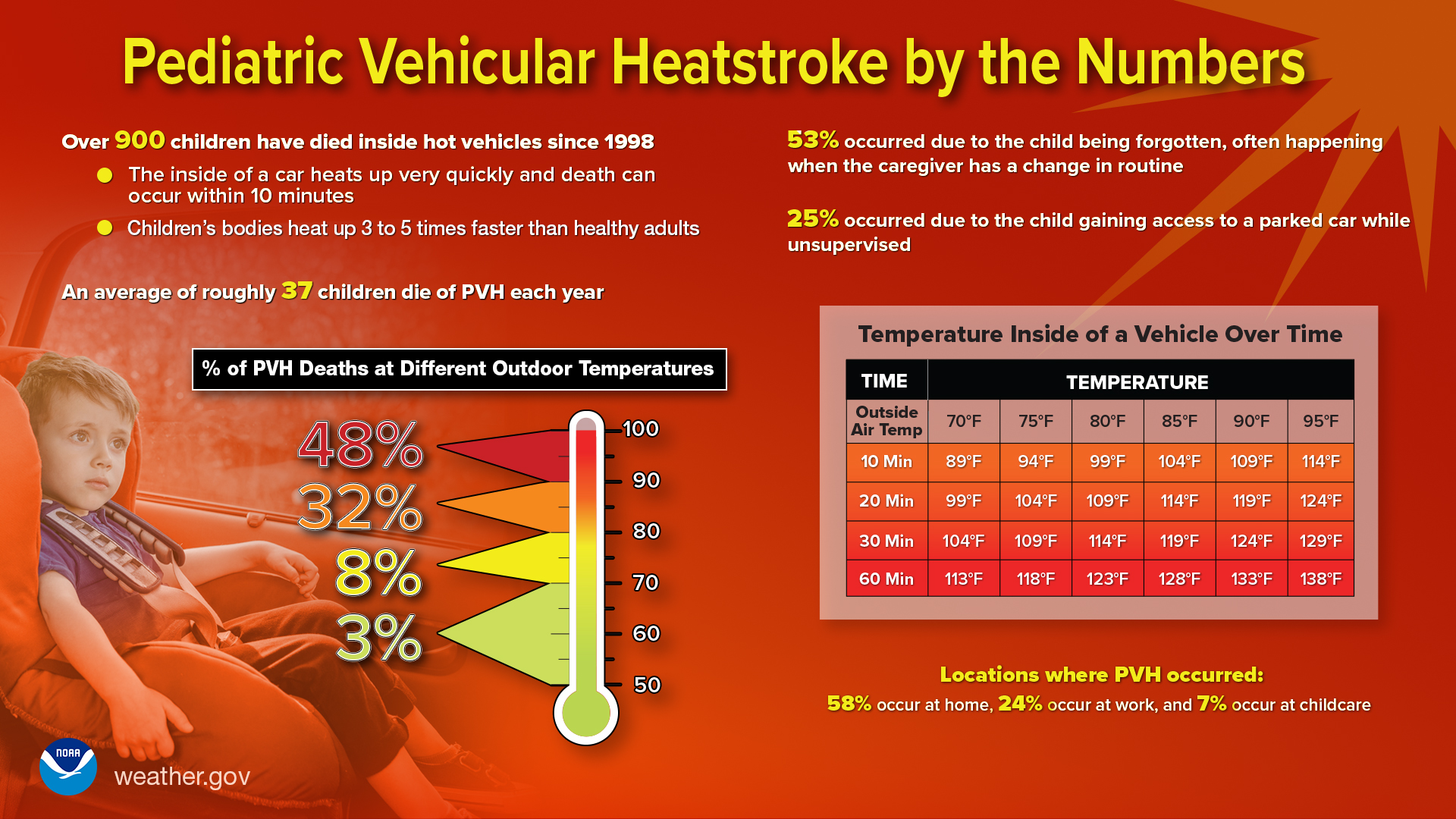
The inside of a car can reach over 100 degrees in less that 10 minutes in the summer heat. Be sure to keep your loved ones safe by following these car safety tips:

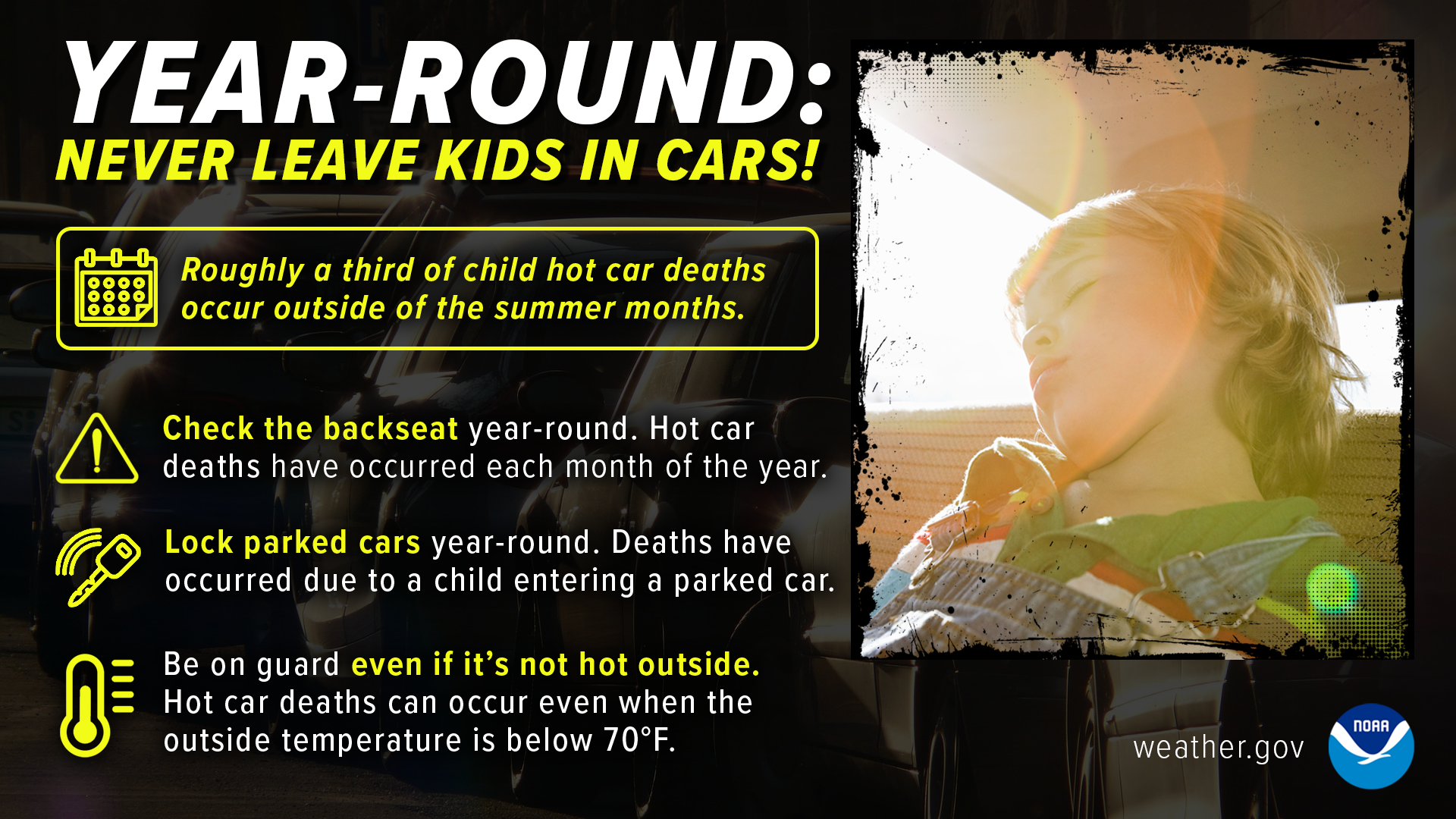
Don't leave your children or dogs in a locked car
Even with the windows cracked temperature can reach dangerous levels in minutes. Children's body temperatures rise 3-5 times faster than an adult, making them much more susceptible to heat-related illnesses. Cracking a window does not substantially lower the interior temperature of a parked car. 

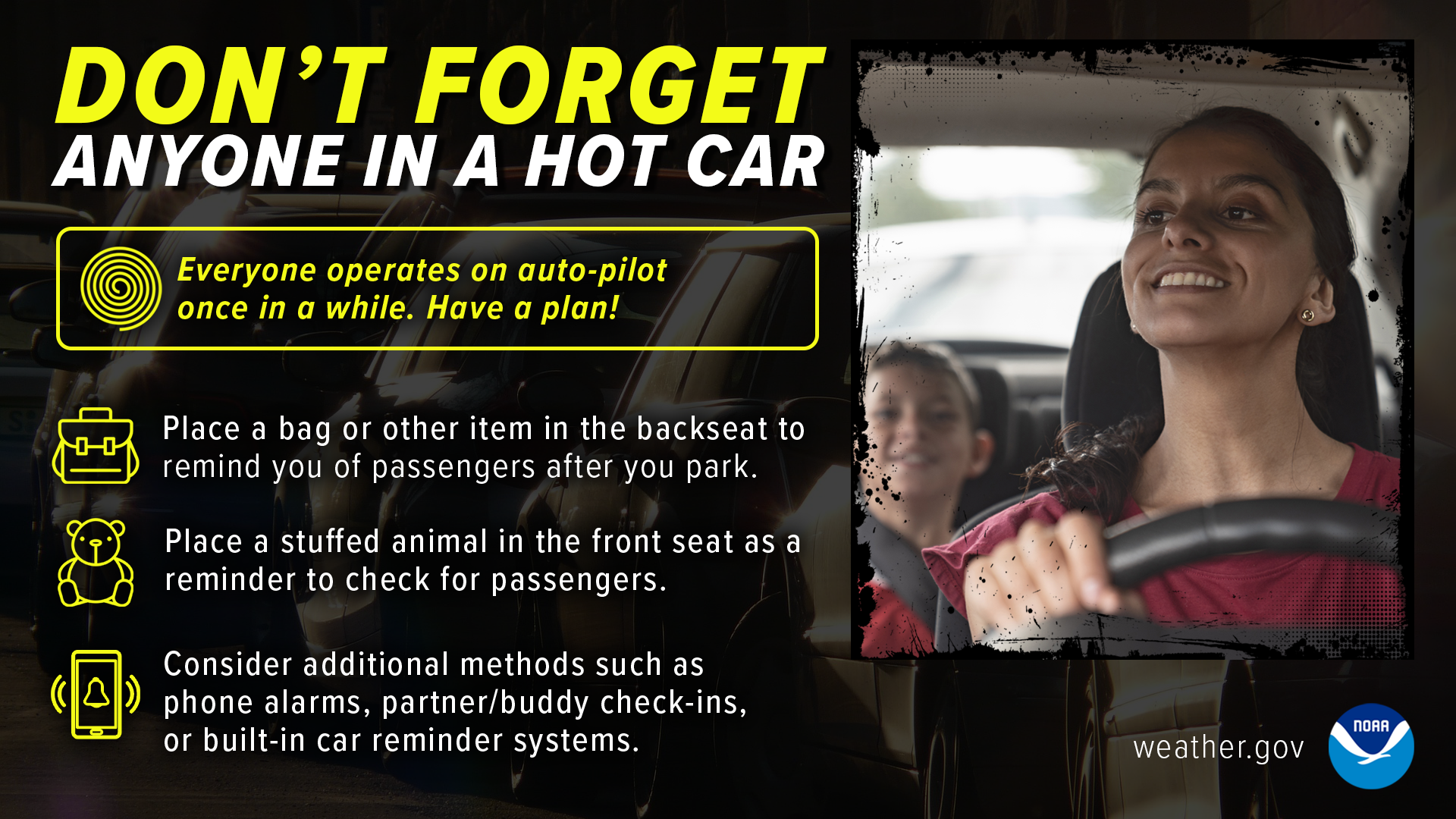
Always check your back seat before locking your car
Make it a habit to check your whole car (especially the backseat) before locking and walking away from it. Over 50% of child heatstroke related deaths are from them being left in the car by accident.

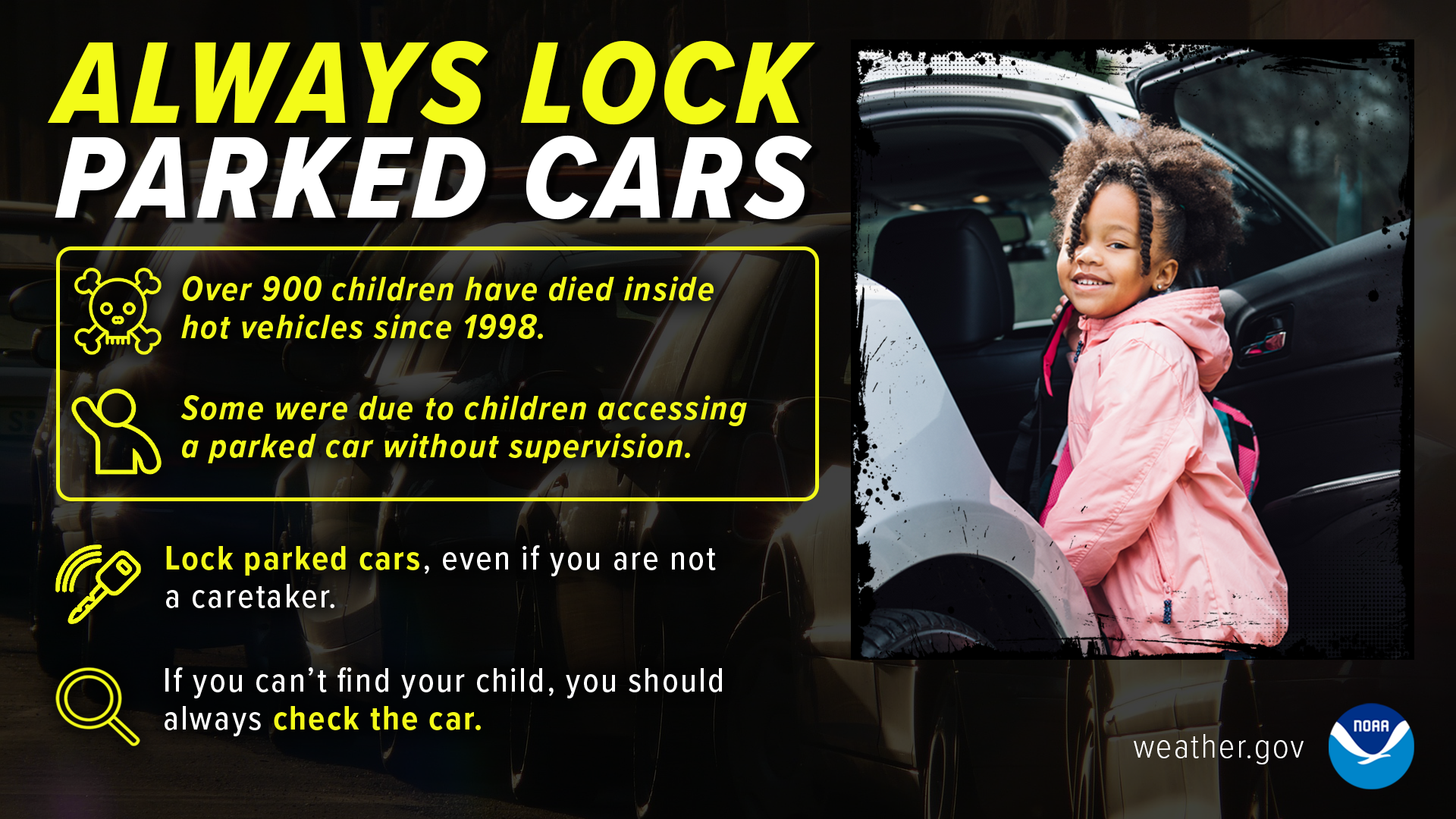
Store keys out of reach of young children
Children can get trapped in cars after climbing in. Be sure to explain to children that a car is not a play area.

If you see a child left in the car call 9-1-1 immediately. Emergency personnel will provide guidance.

If you see an animal in a car exhibiting signs of heat stress, call Animal Services immediately. Those signs include heavy panting, glazed eyes, a rapid pulse, unsteadiness, a staggering gait, vomiting or a deep red or purple tongue.

Get the vehicle’s license plate number and enter the nearest store or business to request an emergency announcement be made about a pet left in a hot car. You should then go back and wait for police at the vehicle.


 

How Disaster Declarations & Assistance Are Issued

After a disaster, declarations can be issued at the local, state, and federal levels of government, with the type of assistance available depending on the level of government that declares the disaster. The City of Kyle handles disasters through our emergency management plan. However, if the severity of the disaster is beyond local government capability, we will issue a disaster declaration and appeal to the state for additional resources. Federal disaster assistance only becomes available after a presidential disaster is declared. The Texas Governor must request a disaster declaration from the President.

Latest from Social Media


Kyle Public Safety Center
1700 Kohlers Crossing, Kyle, TX 78640
Emergency Line: 9-1-1
Non-Emergency Line: 512-268-3232

Emergency Management Coordinator
Jimmy Johnson
Direct Line: 512-887-9668
jjohnson@cityofkyle.com


Sign up for our Newsletter

Stay up to date on the city's activities, events, programs and operations by subscribing to our eNewsletters.